רשת החשמל AC
דרך PCS דו-כיווני וממשק AC מתאים ⇄ מערכת האגירה
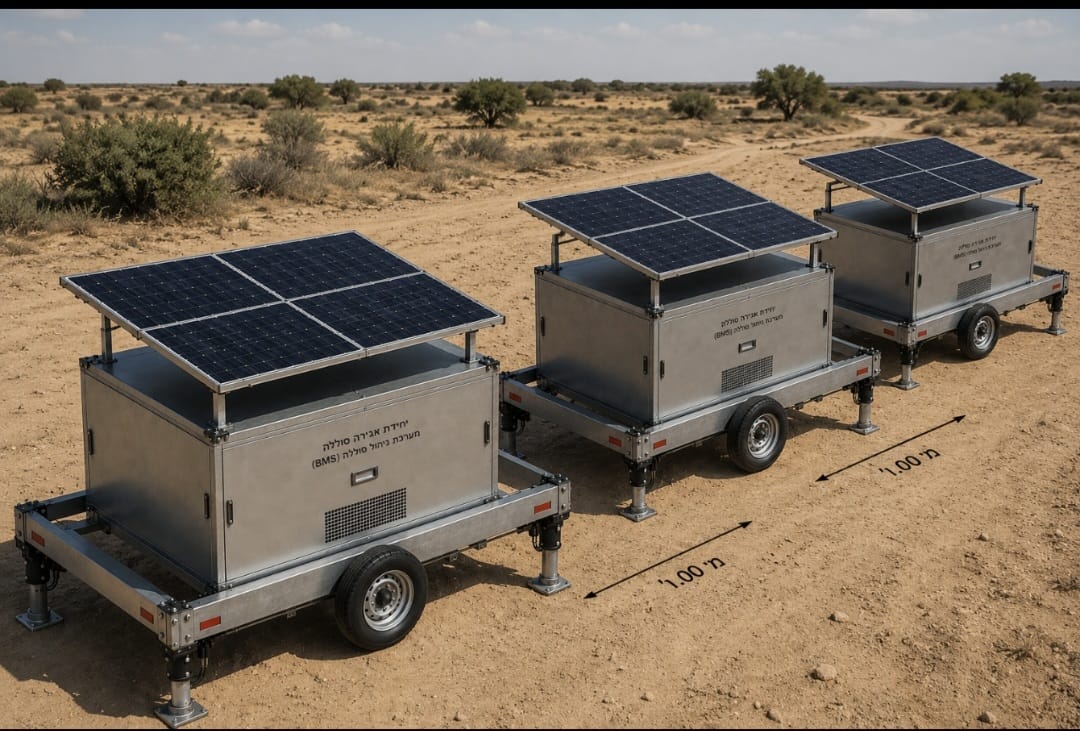
TQUMA משלבת אגירת אנרגיה בתצורות קיבולת שונות, מערך סולארי מתקפל, המרת אנרגיה ובקרה חכמה. המערכת מתוכננת לטעינה מרשת החשמל ומאנרגיה סולארית, עם אפשרות לשילוב מאריך טווח מסוג HV DC Range Extender בהתאם לתצורה ולמשך הפעילות הנדרש. כל יחידה נגררת אל נקודת הצריכה, מיוצבת בבטחה ופועלת כמערכת עצמאית — או כחלק ממערך הכולל עגלת אם ויחידות בנות. מערכת ניהול מרכזית מאפשרת לנטר ולנהל את כלל היחידות, מקורות האנרגיה והעומסים מממשק אחד, גם כאשר היחידות פרוסות בנקודות שונות בשטח.
לבדיקת התאמה ולהצעה ראשוניתEnergy storage, folding solar, power conversion and smart control in a mobile platform. Units are designed to operate independently, or as a mother trailer and daughter units with central monitoring. Grid, solar and optional HV DC range-extension charging depend on configuration.
Discuss your requirementsTQUMA מחברת בין מקורות אנרגיה, אגירת סוללה ונקודות צריכה בשטח. היא מתוכננת לקבל טעינה מאנרגיה סולארית, מרשת החשמל או ממאריך טווח HV DC אופציונלי בהתאם לתצורה, שומרת אותה במערכת אגירה, ממירה אותה לצרכים שונים ומספקת חשמל לציוד, מבנים זמניים, עמדות שירות וטעינת רכבים.
ההספק וקיבולת האגירה ייקבעו במסגרת אפיון התצורה. קיבולת הסוללה נקבעת לפי תצורת היישום, תנאי העבודה ואישור הנדסי.
דרך PCS דו-כיווני וממשק AC מתאים ⇄ מערכת האגירה
דרך בקרי MPPT וממירי DC/DC לפי התצורה → מערכת האגירה
דרך ממשק טעינה, בקרה, ניתוק והגנות ייעודיים בצד DC → מערכת האגירה
מערכת אגירת אנרגיה + BMS
יציאת AC דרך PCS דו-כיווני · יציאת טעינת רכב DC דרך ממיר וממשק טעינה ייעודיים · EMS לניהול ובקרה
התרשים מציג עקרון פעולה. מבנה החיבורים, רכיבי ההמרה וההגנות ייקבעו במסגרת התכנון ההנדסי.
כל רכיב מוצג לפי תפקידו בתפעול המערכת: אגירה, ניהול סוללה, המרת חשמל, בקרה וחיבור צרכנים.
שכבת האגירה המרכזית של היחידה. הקיבולת נקבעת לפי תצורה, עומסים, משך עבודה ואישור יצרן.
מערכת האגירה כוללת מודולי סוללה ו-BMS לניטור תאים, איזון והגנות. מערכת הניהול התרמי מבקרת את תנאי הטמפרטורה בהתאם לתצורה.
שכבת החלטה לתעדוף מקורות, ניהול עומסים, מצבי עבודה ואופטימיזציה של השימוש באנרגיה.
PCS דו-כיווני ממיר אנרגיה בין צד ה-DC של הסוללה לבין רשת ה-AC, ומאפשר טעינה, פריקה והזנת עומסים.
פאנלים סולאריים מסייעים לייצר אנרגיה מקומית ולהפחית תלות במקור חיצוני.
ממשקים לציוד, עומסים זמניים, תלת-פאזי, טעינת רכבים וחיבורי שירות לפי התצורה.
סטטוס סוללה, עומסים, ייצור סולארי, התראות, תקלות ותצוגת צי יחידות בפריסה.
המערכת בנויה כיחידות עצמאיות שניתן לשנע, להציב, לייצב ולהפעיל בנקודת הצורך. אפשר לפרוס יחידה אחת או מספר יחידות לפי היקף המשימה וההספק הנדרש.
היתרון הוא גמישות: במקום לחכות לתשתית קבועה או להסתמך רק על גנרטור, TQUMA מאפשרת נקודת אנרגיה ניידת עם אגירה, סולארי ובקרה חכמה.
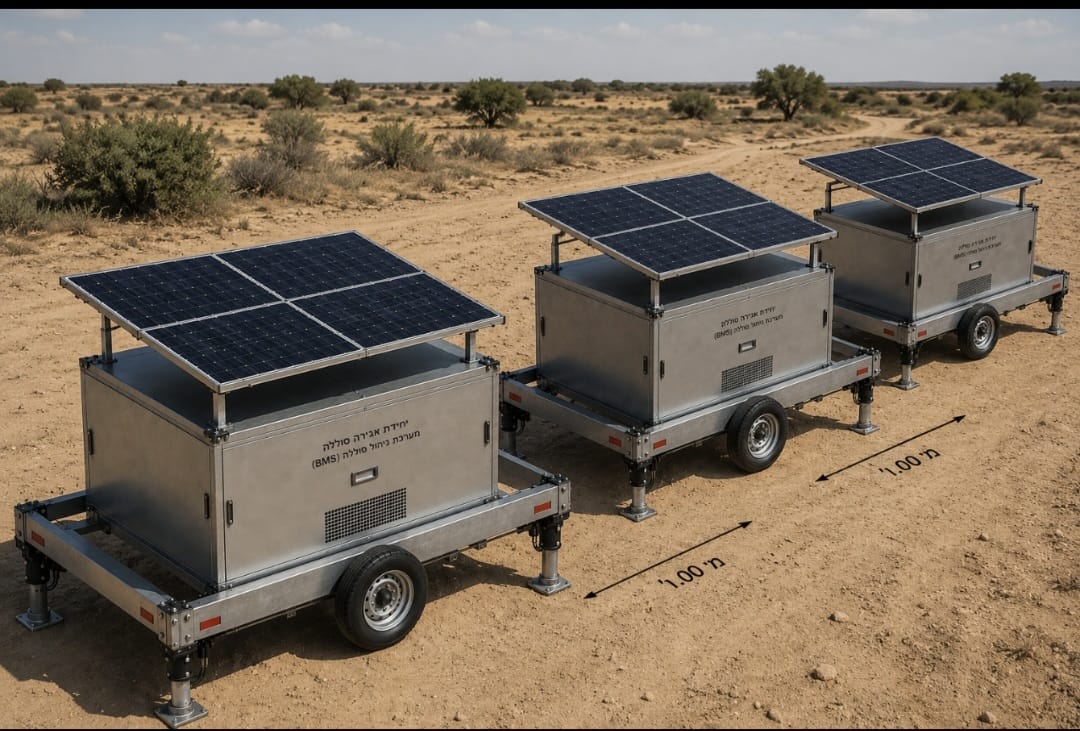
TQUMA אינה רק מטען ואינה רק מקור גיבוי. היא פלטפורמת אנרגיה שלמה שמחברת ייצור, אגירה, המרה, חלוקה ובקרה במבנה נייד אחד.
שילוב של אגירה, ייצור סולארי ובקרה חכמה יכול להפחית תלות בדלק, רעש ותפעול ידני, בהתאם לתנאי השימוש.
פריסה ניידת במקומות שבהם חיבור רשת מורכב, זמני או לא זמין; אופן הפריסה וזמנה ייקבעו בתכנון ובבדיקות.
פלטפורמה אחת יכולה לתמוך בציוד, עומסים, טעינת רכבים וניטור מרחוק לפי תצורה.
ההספק וקיבולת האגירה ייקבעו במסגרת אפיון התצורה. פרטי הסוללה, הקירור, הזרמים ומתחי העבודה נקבעים לפי תכנון הפרויקט ורכיבי המערכת.
עקרון תכנון בפיתוח POC. המנגנון, פעולות השליטה והניטור הנתמכות ייקבעו לפי התצורה והבדיקות. הפריסה כפופה לתנאי הקרקע והרוח ולהוראות ההפעלה שייקבעו.
TQUMA connects energy sources, battery storage and field power demand. The design combines solar and grid charging, an optional HV DC Range Extender, battery storage and dedicated conversion to supply equipment, temporary sites, service points and EV charging according to configuration.
Power and storage capacity will be defined during configuration scoping. Battery capacity is defined by application configuration, operating conditions and engineering approval.
Grid AC ↔ bidirectional PCS ↔ storage. Solar → MPPT/DC conversion → storage. Optional HV DC Range Extender → dedicated DC charging, control, disconnection and protection → storage. AC loads are supplied through PCS; EV DC charging uses dedicated conversion and a vehicle interface.
Principle only. Connections and protection will be defined in engineering.
Each component is explained by its operating role: storage, battery management, power conversion, control and load connection.
The unit's central storage layer. Capacity is defined by configuration, loads, operating duration and supplier approval.
Battery modules and BMS provide cell monitoring, balancing and protection. Thermal management controls temperature conditions according to configuration.
The decision layer for source prioritization, load management, operating modes and energy optimization.
Bidirectional DC/AC power conversion for charging, discharging and supplying field loads.
Solar panels generate local energy and help reduce dependence on external sources.
Interfaces for equipment, temporary loads, three-phase power, EV charging and service connections by configuration.
Battery status, loads, solar generation, alerts, faults and fleet view for deployed units.
The system is built as independent units that can be transported, positioned, stabilized and activated at the point of need. One unit or multiple units can be deployed according to mission scale and required power.
The advantage is flexibility: instead of waiting for fixed infrastructure or relying only on a generator, TQUMA enables a mobile energy point with storage, solar generation and smart control.
TQUMA is not only a charger and not only a backup source. It is a complete energy platform that combines generation, storage, conversion, distribution and control in one mobile structure.
Combining storage, solar generation and smart control can reduce fuel dependence, noise and manual operation, depending on use conditions.
Mobile deployment where grid connection is complex, temporary or unavailable. Deployment methods and duration will be defined through design and testing.
One platform can support equipment, loads, EV charging and remote monitoring according to configuration.
Power and storage capacity will be defined during configuration scoping. Battery, cooling, current and voltage details are defined by project design and selected system components.
Design concept in POC development. Mechanism, supported controls and monitoring depend on the final configuration and testing. Deployment is subject to ground and wind conditions and the operating instructions to be defined.